


Bank of Taiwan Concludes Multi-Bank PoC on RWA Tokenization for Precious-Metal Services
(中央社財經訊息服務20251231 15:03:30)
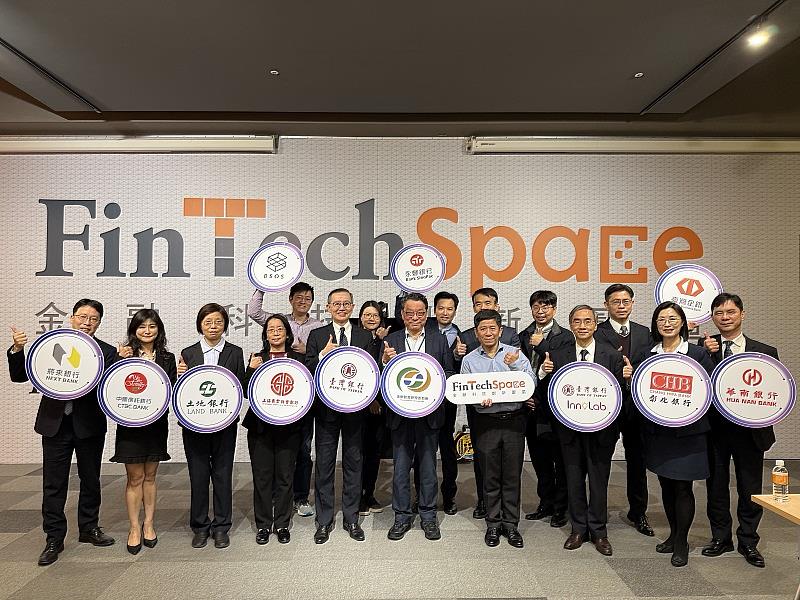
Bank of Taiwan (BOT) today announced the completion of a multi-bank proof of concept (PoC) applying real-world asset (RWA) tokenization to precious-metal services. Initiated and led by BOT, the project involved eight participating institutions—Land Bank of Taiwan, Hua Nan Commercial Bank, Chang Hwa Commercial Bank, The Shanghai Commercial & Savings Bank, Taiwan Business Bank, Bank SinoPac, China Trust Commercial Bank, and Next Bank—bringing the total number of participating banks to nine.
The PoC conducted an end-to-end technical feasibility assessment of interbank processes for precious-metal services in a blockchain-based environment. The initiative underscores the sector’s continued engagement in distributed ledger technology (DLT) research and its efforts to advance interoperability and common standards for digital-asset applications.
The project focused on using tokenization to streamline financial workflows and, in a simulated environment, validated the feasibility of interbank on-chain gold transactions. Using smart contracts, the team developed a prototype for synchronized delivery versus payment (DvP), demonstrating how interbank processing steps could be automated when a participating bank initiates a gold purchase request. The PoC also explored potential long-term benefits of deposit-token mechanisms, including synchronized settlement of funds and assets, shorter settlement cycles, and reduced delivery and settlement risk.
On the business model side, the team developed a digital certificate mechanism designed to enable interbank physical-gold withdrawal. The mechanism uses smart contracts to lock the corresponding amount of tokenized gold when a certificate is issued, ensuring the certificate is backed by underlying assets and preventing duplicate use. Based on the PoC findings, BOT noted that certificate holders could, in the future, present the certificate at designated BOT branches for verification and—after completing identity checks and in-branch KYC procedures—receive physical gold more efficiently, reducing the time and cost typically associated with interbank withdrawal.
BOT said the PoC demonstrates that tokenization is not only a new way to represent assets, but also a practical tool for improving existing financial services. Going forward, BOT plans to explore collaboration with financial market infrastructure providers and other financial institutions on blockchain infrastructure and tokenization use cases, while continuing to advance a roadmap for more convenient and secure digital-asset services under robust asset security and risk management practices.