

“We Bloom!” Project Reaches Final Chapter: Highlighting the Enduring Efforts of Hualien’s People
(中央社訊息服務20251203 15:22:39)The “We Bloom!” project, launched by the Hualien County Government, continues its mission to document local stories and the driving force of community revitalization. With in-depth interviews and visual storytelling at its core, the project reveals the changes taking place across Hualien, neighborhood by neighborhood. Now entering the final installment of its story collection series, this phase features three pieces focused on themes such as relocation, craft education, and daily life in Indigenous communities. More than just narratives, these stories illustrate how individuals in Hualien continue to care for their homeland and open new possibilities—quietly and in their own ways.
Director-General of Hualien Tourism Department Yu Ming-Hsun remarked that the beauty of Hualien lies not only in its mountains and ocean, but also in the sincere, ongoing efforts of its people. Across this land, many continue to give back to their hometowns without seeking attention. He noted that Hualien is quietly becoming better, day by day.
The “We Bloom!” project was founded with the goal of “making local stories visible.” Through these curated features, the Hualien County Government hopes to show that beyond scenic landscapes, Hualien is shaped by the resilience and creativity of people as they live, work, and grow with the land. Each story is like a flower in bloom, coming together to form a vibrant, multidimensional portrait of the region.
Designing a Life from the Ground Up: Rediscovering Home Through a Two-Month Stay | EGlab193
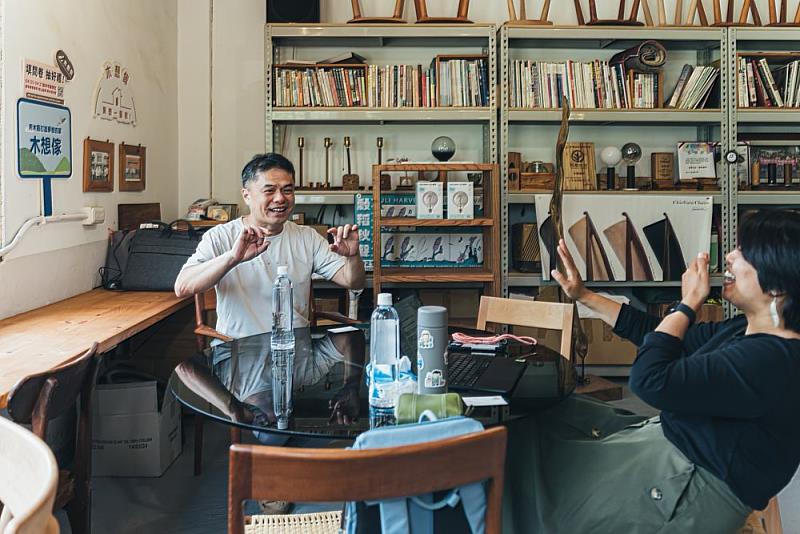
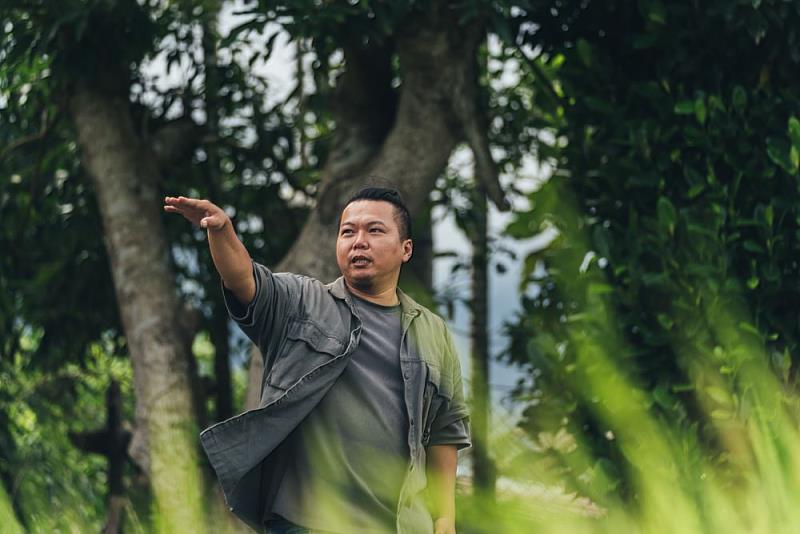
The first story follows Cheng Wei-Wen (nicknamed “Big Bear”), founder of EGlab193. Six years ago, Cheng came to Yuli Township for an event planning job and unexpectedly discovered the town’s deep cultural roots, diverse population, and peaceful natural rhythm. Choosing to stay, he created a lifestyle experiment called the “60-Day Short Stay,” which helps people redesign their lives. Over two months, participants learn to live with the land, process their inner state, and rethink the meaning of “life.” Through gardening, craftwork, and deep dialogue, Cheng offers not tourism, but a path to self-discovery. “Relocation,” he says, “is not an escape, but a form of practice. Yuli is a second home where many find space to land and begin again.” Here, people regain a sense of flexibility in life and discover new ways to settle into themselves.
Building Dreams with Wood: Creating a Future Where Youth Can Stay | MuDreamer
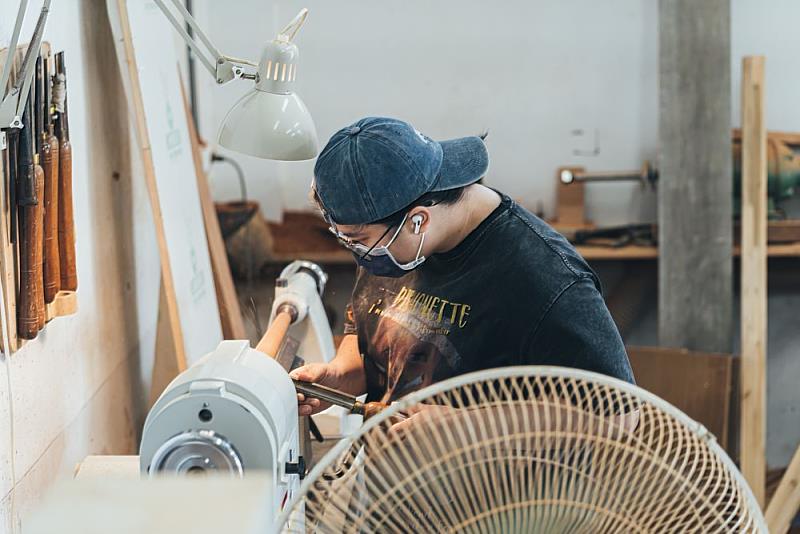
The second story visits MuDreamer, a woodworking studio located in Songpu, Yuli, that evolved from a school-based program into a broader community initiative. Founder Teacher Wang Jia-Na, formerly of Yudong Junior High School, helped students rebuild confidence and direction through hands-on making. Realizing that the lack of local industries would eventually push youth to leave, Wang left his teaching position to found the Taiwan MuDreamer Talents Cultivation Association, a nonprofit aimed at connecting youth to real-world craft industries. At MuDreamer, woodworking is passed down through an apprenticeship system—from sketching and joinery to sanding and finishing. The students’ creations have received international recognition, including the iF Design Award and features in various exhibitions. For Wang, woodworking is not merely a skill, but a philosophy rooted in respect for time, care for craft, and a sense of duty to one’s hometown. His goal is not only to make furniture, but to build a sustainable pathway for youth to stay through job opportunities, professional training, and future planning. It’s about allowing dreams to take root and grow in rural communities.
Slowing Down in Chongguang: From Tokyo to Hualien, Turning “Far Away” into Home | Reo Matsumoto
The third story is told from the perspective of Reo Matsumoto, a young man from Tokyo who moved to Chongguang, Hualien with his wife. Arriving with no knowledge of the language or culture, he gradually learned to live in harmony with the community, nature, and daily life.
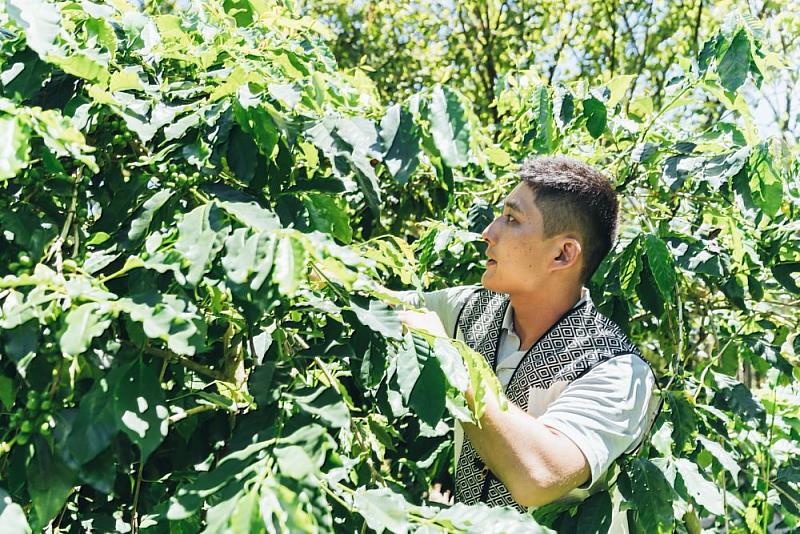
In a Truku tribal village, Matsumoto found a rhythm of life unlike the city. People care for one another, and nature is deeply integrated into everyday routines. At Nita Coffee Farm, he learned to grow and roast coffee beans, and now runs his own reservation-only coffee space. Once confined daily to Tokyo’s packed trains, he now prunes branches in the valley, pulls weeds, and plays by the stream with his children. He reflects: “Consuming dazzling things doesn’t necessarily bring happiness. It’s the honest, grounded effort of living that brings true satisfaction.”
Though different in subject and setting, all three stories share a common thread: in Hualien, people are nurturing the land in their own ways, supporting the next generation, and creating new ways of living. Some are designing life experiences and helping others regain their rhythm. Some are building futures with wood and tools. Some have come from afar and made Hualien their true beginning. Everyone is invited to explore more stories through the “We Bloom!” project’s Story Collection on its official website and witness the ongoing vitality of Hualien in full bloom. More stories and event information: We Bloom! Project Official Site ([Link]) or Hualien Tourism Assistant ([Link]).