




- Global Health Leaders Are Heading to NYCU for the GCIEM 2026 Global Summit
- Taiwan’s Ministry of Sports and NYCU IAPS Launch Global Call for ASPN Sports Tech Accelerator Cohort 3
- NYCU Self-Healing Functional Fabric to Weave an Eco-Friendly, Sustainable Future
- NYCU Alumnus Huang Yi Named Finalist at 2026 Bologna Children’s Book Fair Illustration Exhibition
- NYCU Partners with Taipei and New Taipei Metro to Advance Smart Transportation and Talent Development
NYCU Connects the Next Generation Through Semiconductor Film Screening and Dialogue
(中央社訊息服務20260129 14:27:39)To deepen high school students’ understanding of Taiwan’s semiconductor industry, National Yang Ming Chiao Tung University (NYCU) on January 23 hosted a nationwide film screening and dialogue event titled “Learning Semiconductors Through Cinema.”
The initiative connected nearly 3,000 students from 37 high schools across Taiwan, who participated in simultaneous on-campus screenings of the documentary A Chip Odyssey: The Gamble of a Century, followed by cross-generational exchanges with industry professionals.
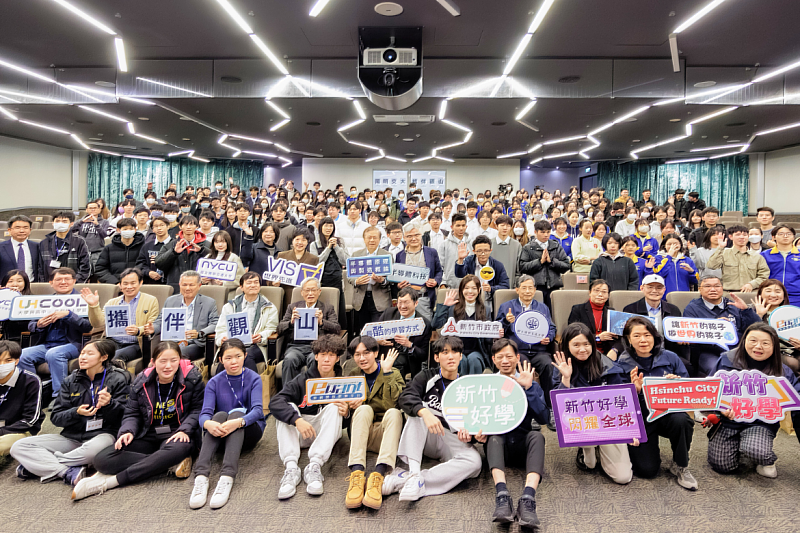
By linking high schools across different regions, the event transformed the documentary into a shared learning experience that extended beyond individual classrooms. Students were introduced to the historical context, strategic choices, and human stories behind Taiwan’s semiconductor development—an industry that has become central to the global technology supply chain.
The synchronized screenings were designed to spark curiosity and encourage students to reflect on how science, policy, and long-term vision intersect in real-world industries.
In the afternoon, NYCU hosted an in-person forum at its Guangfu Campus in collaboration with the Hsinchu City Government, Vanguard International Semiconductor Corporation (VIS), and the Taiwan IC Industry & Academia Research Alliance (TIARA).
Nearly 800 students, both on-site and online, joined the discussion, gaining insights into the industry’s evolution, personal career paths, decision-making under uncertainty, and the long-term commitment behind technological leadership.
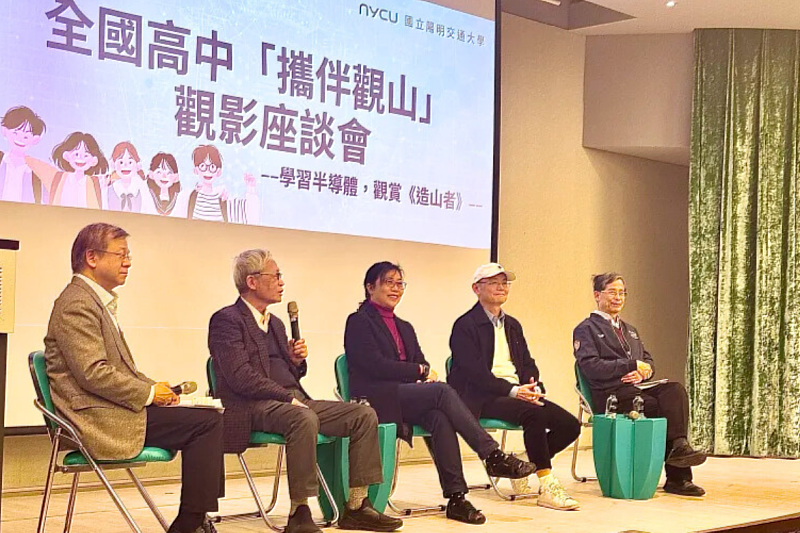
The event is part of NYCU’s broader University High School Collaboration on Online Learning (UHCOOL) initiative. Launched in the 2024 academic year, the program introduced a digital course titled Introduction to Semiconductor Principles and Manufacturing, designed for high school elective credit.
To date, the course has been adopted by more than 100 high schools, including those on offshore islands and in remote regions, and has reached over 4,000 students nationwide. The initiative is now regarded as one of Taiwan’s most successful models for university–high school collaboration in semiconductor education.
Jack Sun emphasized that NYCU’s mission now extends beyond industrial innovation to talent development. Through the UHCOOL program, students are introduced to real-world industry contexts at the high school level, strengthening their technological literacy and global outlook.
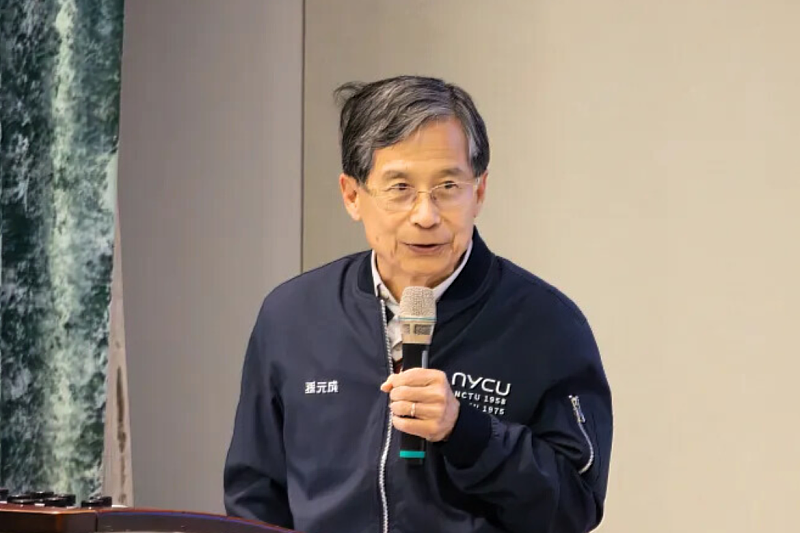
As a global semiconductor hub, Hsinchu City sees education as a pathway to global readiness, with Mayor Ann Kao noting that local policy is guided by the principle of “raising local children to become global citizens.”
“This collaboration allows knowledge to move beyond textbooks,” Kao said. “By standing on the shoulders of previous generations, we hope to inspire young people to help shape Taiwan’s next strategic pillar for the future.”
Looking ahead, NYCU plans to further expand the UHCOOL program by integrating resources from higher education institutions, industry partners, and local governments. Through blended online and in-person learning models, the university aims to help more students overcome geographic and time constraints, gain timely access to critical technologies, and build the core competencies needed for the next generation of innovation.