




- Yunlin County presents results of agricultural climate adaptation plan in response to climate change
- PX Mart celebrates Winter Solstice with Yunlin Goods Month: Magistrate Chang Li-shan and top chef showcase nutritious local ingredients
- Yunlin County Magistrate Chang shares vision for agricultural sustainability and industrial transformation at the 2025 Taiwan Future International Summit
- Yunlin County Government relocates Oryzias chenglongensis to safeguard the endemic species
- Yunlin Smart Agriculture University celebrates graduates, showcases achievements in sustainable innovation
Yunlin Bamboo Industry Forum Launched, Outlining a Sustainable Blueprint for the Bamboo Industry
(中央社訊息服務20260430 16:45:04)To promote the transformation, upgrading, and sustainable development of the bamboo industry, the Yunlin County Government held the "Yunlin County Bamboo Industry Sustainable Development Forum" on Apr. 29 at the Douliu Sugar Factory Bamboo Innovation Base. The forum brought together central government agencies, academic and research institutions, industry representatives, and local bamboo farmers to discuss and build consensus among government, industry, academia, and research institutions through keynote speeches, roundtable discussions, and results presentations, and to outline a blueprint for the sustainable development of the bamboo industry.
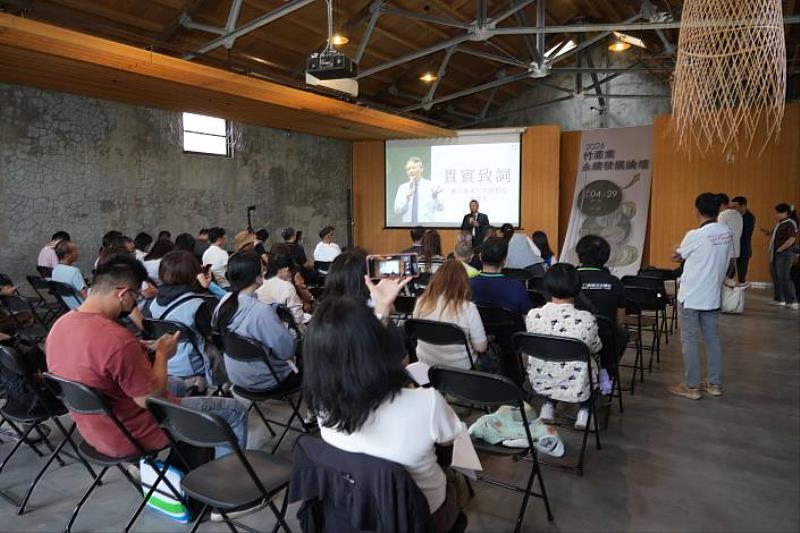
Yunlin County Magistrate Chang Li-shan (張麗善) stated that bamboo possesses characteristics such as rapid growth, strong carbon absorption capacity, and recyclability, making it an important green resource with both ecological and economic value. This forum is not only an important milestone in the development of Yunlin's bamboo industry, but also demonstrates the proactive efforts of the local government in working with academia and industry to respond to global sustainability trends.
She pointed out that the Gukeng Shibi area in Yunlin County has approximately 516 hectares of Moso bamboo forest. After long-term natural resource surveys and research, it was certified as a "World Bamboo Landmark" by the World Bamboo Organization and the World Bamboo Congress in 2024, becoming an international highlight. The county government will develop it into a forest therapy base, setting up installation art and rest spaces to attract people to walk into the bamboo forest and experience the natural ecology.
National Chiayi University Vice President Chen Jui-hsiang (陳瑞祥) stated that it is honored to participate in the forum, adding that National Chiayi University, with a solid research foundation, has long been deeply engaged in the fields of agriculture and forestry. With the efforts of the university's Department of Forestry team and the support of the county government, it is hoped that through discussions on bamboo resource utilization and carbon sequestration issues, more momentum can be injected into the bamboo industry, promoting the vigorous development of the local industry as a whole.
Agriculture Director Wei Sheng-te (魏勝德) pointed out that bamboo has a wide range of applications, from food to building materials, and has become increasingly important in recent years in terms of carbon sequestration and carbon credits. This forum focuses on three key areas: the utilization of bamboo and industrial chain integration after bamboo forest thinning, carbon sequestration quantification and carbon credit revenue-sharing mechanisms, and local processing facility construction and industrial upgrading strategies, with the aim of establishing a complete collaborative system from production and processing to the market.
The forum, themed "Sustainable Management of Bamboo Forests, Enhancement of Carbon Sequestration Value, and Innovative Industrial Applications," invited representatives from the Central Forestry Administration, as well as scholars and industry experts from National Chung Hsing University and National Chiayi University, to deliver keynote speeches. These presentations examined opportunities for the transformation of the bamboo industry, covering policy, research, and practical applications. Director Wei Sheng-te moderated a roundtable discussion, engaging in in-depth dialogues with representatives from various sectors on bamboo forest management systems, carbon credit mechanisms, and industrial chain development, and offering concrete suggestions.
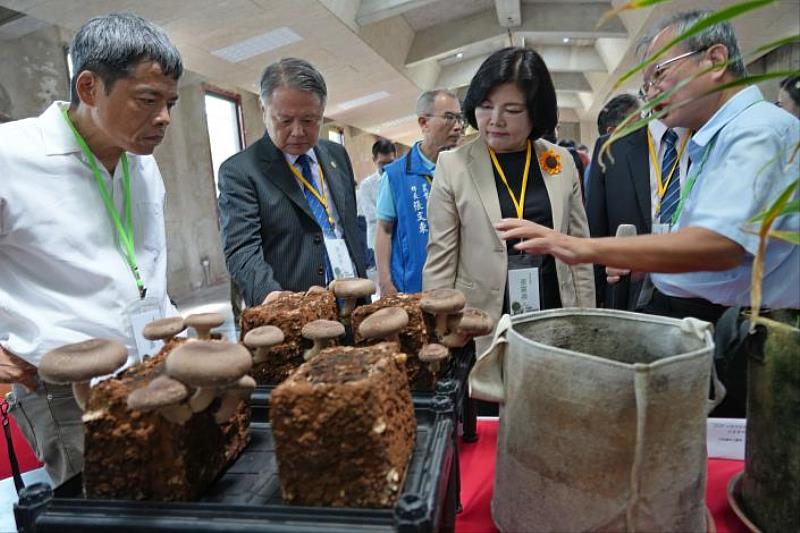
In addition, the "Yunlin Bamboo Industry Achievement Exhibition" was also on display, showcasing the achievements of the Shibi area over the past three years. These included diverse applications such as bamboo powder organic fertilizer, biomass pellet fuel, bamboo building material modules, and bamboo art creations. The exhibition demonstrated the complete industrial chain of bamboo materials from production to recycling, putting into practice the concepts of local production and use as well as circular economy.
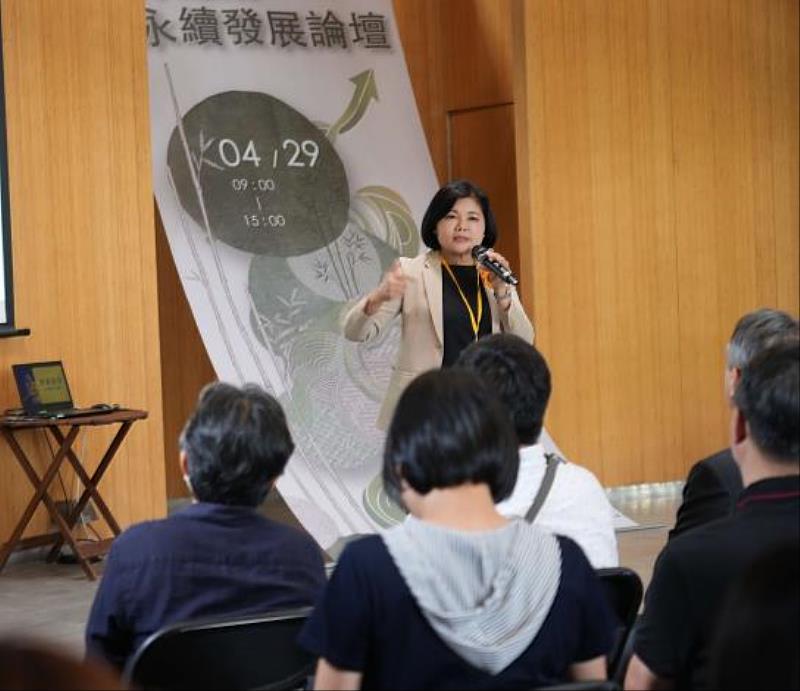
The Agriculture Department of the County Government stated that it will continue to use the Shibi area as a demonstration site, align with national bamboo industry policies, and deepen cooperation between industry, government and academia. It will also promote the sustainable management and innovative application of bamboo forests, strengthen brand marketing and market competitiveness, and create a sustainable industrial system that balances ecological conservation, carbon sequestration benefits, and local revitalization.