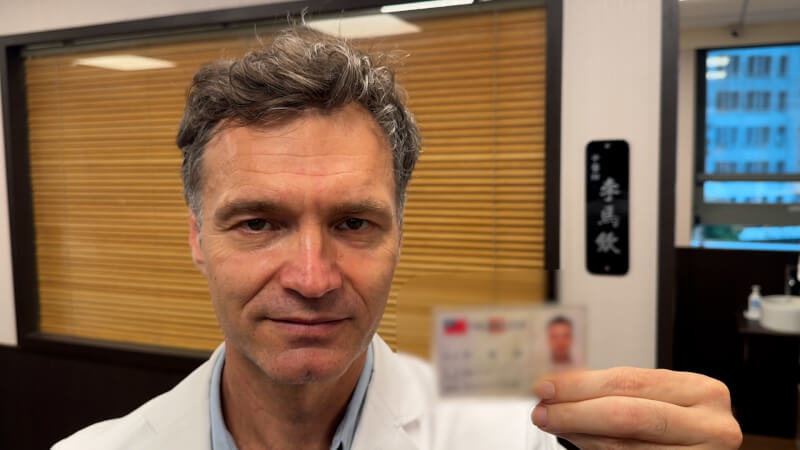
After Marcin Zbylut became a Taiwanese citizen in early 2020, life for the Polish-born traditional Chinese medicine doctor remained much the same, including his work at two clinics in Greater Taipei and the family responsibilities he carried.
2020年初成為台灣公民後,出生於波蘭的中醫 師馬欽.茲布盧特生活大致沒有改變,包括仍在大台北地區兩家診所執業,也持續肩負家庭責任。
But something did shift.
不過,有一件事確實改變了。
“The biggest thing for me was that I felt like now I fully belong to Taiwan, that I’m part of the society,” Zbylut, 49, told CNA in a recent interview.
49歲的茲布盧特近日接受中央社專訪時表示:「對我來說,最大的改變是,我覺得自己現在真正屬於台灣,是這個社會的一分子。」
For him, obtaining Taiwanese citizenship through a special route for high-level foreign professionals was a way of deepening his ties to Taiwan, which he now calls home.
對他而言,透過外國高級專業人才特殊歸化管道取得台灣國籍,象徵著他與這片如今他稱之為家的土地,建立了更深厚的連結。
Nearly a decade after Taiwan amended the Nationality Act to let a narrow group of eligible foreign professionals naturalize without having to renounce their original nationality, Zbylut’s journey offers a glimpse into how the system has worked in practice -- and where it still falls short.
台灣近10年前修正《國籍法》,允許符合資格的少數外國專業人才,在無須放棄原有國籍的情況下歸化。茲布盧特的經歷,也讓外界得以一窺這項制度實際運作的情況,以及它至今仍有哪些不足之處。
From Europe to Taiwan
從歐洲到台灣
Born in Poland and educated in Germany and the United Kingdom in molecular biology, Zbylut first came to Taiwan over 20 years ago after living and working in Europe alongside people from East Asia, including his roommate from Taiwan.
茲布盧特出生於波蘭,在德國與英國攻讀分子生物學。他在歐洲生活與工作期間,結識了許多來自東亞的人士(包括一名台灣室友),並在二十多年前首次來到台灣。
He came to believe that “the 21st century is going to be an Asian century,” recalling being impressed by Asian people’s professionalism and ethics at the time.
他回憶,當時亞洲人的專業態度與職業倫理令他印象深刻,因此逐漸相信「21世紀將會是亞洲的世紀」。
After doing his own research and drawing on travel experience, he concluded that Taiwan was the best fit for him.
經過自行研究,並結合自己的旅行經驗後,他認為台灣最符合自己理想中的生活環境。
“I came to Taiwan and I thought, yeah, this is the place,” he said. “I immediately fell in love with Taiwan.”
「我來到台灣後就覺得,對,就是這裡」,他說:「我立刻愛上了台灣。」
Chinese medicine
投入中醫領域
After moving to Taiwan in late 2005, Zbylut briefly worked at a trading company before studying Mandarin on a Taiwanese government scholarship from 2007 to 2009 and later enrolling at China Medical University in Taichung in 2010 to study traditional Chinese medicine.
2005年底移居台灣後,茲布盧特曾短暫任職於一家貿易公司,之後於2007年至2009年獲台灣政府獎學金學習中文,並於2010年進入台中的中國醫藥大學就讀,研習中醫。
He was first exposed to traditional Chinese medicine during a visit to China in the early 2000s, and the idea of pursuing the field had stayed with him ever since.
他在2000年代初期前往中國旅行時,首次接觸中醫,自此便一直希望投入這個領域。
After graduating in mid-2015, he began working at Hualien Tzu Chi Hospital, where he remained until 2019 and eventually served as chief resident.
2015年中畢業後,他進入花蓮慈濟醫院服務,一直任職至2019年,期間並升任總住院醫師。
He now practices at two clinics in Taipei and New Taipei, where he treats patients with a focus on cosmetic acupuncture.
目前,他在台北市及新北市兩家診所執業,主要從事美容針灸治療。
Why citizenship matters
為何取得國籍很重要
Though he already held permanent residency, Zbylut said he saw his future in Taiwan and felt it would be “more practical to be naturalized.”
雖然早已取得永久居留權,茲布盧特表示,他認為自己的未來就在台灣,因此覺得「歸化成為台灣公民會更實際」。
Par t of the reason, he said, was that his non-citizen status placed restrictions on his medical practice, including preventing him from opening his own clinic as a sole practitioner. 他表示,部分原因是非本國籍身分仍限制了他的執業權利,例如無法以獨立開業醫師身分自行設立診所。
Beyond the practical considerations, Zbylut said he also wanted to be “even more grounded in this country.”
除了現實層面的考量之外,茲布盧特也希望自己「能更深扎根於這個國家」。
Under Taiwan’s general naturalization rules, most foreign nationals are required to renounce their original nationality before becoming Taiwanese citizens.
依照台灣一般歸化規定,多數外籍人士必須先放棄原有國籍,才能取得台灣國籍。
An alternative pathway
另一條歸化途徑
While Zbylut had considered giving up his Polish citizenship at one point, he later opted for the high-level professional route -- created after Taiwan amended the law in 2016 -- which lets recognized foreign professionals obtain citizenship without renouncing their original nationality.
茲布盧特表示,他一度考慮放棄波蘭國籍,但後來選擇台灣於2016年修法後設立的外國高級專業人才歸化途徑,讓獲認定的外國專業人士,無須放棄原有國籍即可取得台灣國籍。
As of the end of 2025, 379 foreign high-level professionals -- including Zbylut, whose field was listed as traditional Chinese medicine -- had successfully naturalized without renouncing their original nationality, MOI data showed.
內政部統計,截至2025年底,共有379名外國高級專業人才完成歸化且保留原有國籍,其中包括專業領域列為中醫的茲布盧特。
But the path was not easy. 不過,這條路並不容易。
Zbylut said when he began working on the application in early 2019, the process was difficult to navigate because so little information was available.
茲布盧特表示,2019年初著手申請時,由於可取得的資訊相當有限,整個流程十分難以摸索。
Describing the process as a “closed loop,” Zbylut said there was no contact person or designated channel for inquiries, and most of the information provided by the authorities was in Chinese.
他形容當時的申請程序宛如「封閉迴圈」,不僅沒有專責聯絡窗口或諮詢管道,政府提供的大部分資訊也都只有中文。
Eventually, Hualien Tzu Chi Hospital helped with the application, and about nine months after he submitted the application, Zbylut obtained Taiwanese citizenship.
最後,在花蓮慈濟醫院協助下,他順利完成申請,並於送件約九個月後取得台灣國籍。
Help is better now, but criticism remains
如今協助更多 但制度仍受批評
Compared with when Zbylut applied in 2019, the process now appears somewhat easier to navigate.
與茲布盧特2019年申請時相比,如今的申請流程已較容易。
Still, criticism of Taiwan’s broader citizenship regime continues.
然而,外界對台灣整體國籍制度的批評仍未停歇。
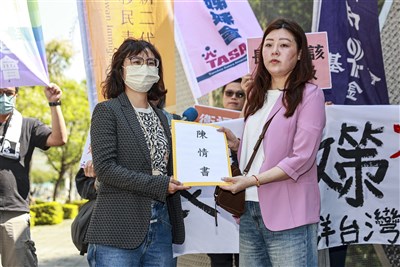
In August 2024, an NGO called Crossroads launched a successful petition on the government’s platform calling for a standardized path to citizenship for long-term permanent residents without requiring them to renounce their original nationality.
2024年8月,非政府組織Crossroads在政府公共政策網路參與平台發起連署,成功提案呼籲建立一套標準化的歸化制度,讓長期持有永久居留權的外籍人士,無須放棄原有國籍即可取得台灣國籍。
The MOI, however, rejected the proposal later that year, saying such a change could have “major impacts” on Taiwan’s fiscal burden, social welfare obligations and national security.
不過,內政部於同年底駁回該提案,表示此類制度調整,可能對台灣的財政負擔、社會福利義務及國家安全造成「重大影響」。
The ministry also said the existing high-level professional route could only serve as “an exception.”
內政部並表示,現行外國高級專業人才歸化制度只能作為「例外」機制。
In Zbylut’s view, Taiwan’s naturalization policy for foreign professionals remains “very limited in scope” and “very difficult to go through.”
在茲布盧特看來,台灣針對外國專業人才的歸化政策仍然「適用範圍非常有限」,而且「申請過程十分困難」。
“If it was up to me, I would make it like in most liberal democracies, where you are allowed to have dual citizenship,” he said.
他說:「如果由我決定,我會讓台灣和多數自由民主國家一樣,允許人民擁有雙重國籍。」
〈字詞解釋〉
renounce(動詞)→放棄(國籍、權利、主張 等)。例句:He refused to renounce his original citizenship. 他拒絕放棄原有國籍。
practitioner(名詞)→執業人士;開業醫師。 例句:She works as a general practitioner in a rural town. 她在一座鄉村小鎮擔任家庭醫師。
naturalization(名詞)→歸化。例句:She obtained citizenship through naturalization after living in Canada for many years. 她在加拿大居 住多年後,透過歸化取得公民身分。
regime(名詞)→制度;機制。例句:T he country introduced a new tax regime last year. 該國去年實施一項新的稅制。
*看單篇不過癮?《全球中央》紙本雜誌、電子雜誌全面特價中。
*訂閱紙本雜誌《全球中央訂購單》
*實體雜誌銷售:7-ELEVEn. 、誠品書店
*電子雜誌銷售平台:中央社電子書城、亞馬遜書城、Google Play圖書、凌網電子書、華藝電子書、Hami書城、KOBO、博客來電子書、讀墨電子書、讀冊生活電子書城、BOOK☆WALKER、聯合讀書吧、Kono電子雜誌、momo購物網等。