Thousands of miles from her home in Vietnam, A-Yueh once believed she was facing a violent marriage alone, until social workers stepped in, helping her escape abuse and rebuild her life.
遠離越南家鄉數千英里之外,阿月一度以為自己只能獨自面對暴力婚姻,直到社工介入,幫助她逃離虐待並重新展開人生。
Indah, from Indonesia, endured years of abuse due to fears of deportation and losing her son, compounded by her deep-seated belief that her child needed a father.
來自印尼的英達,因擔心被遣返及失去兒子,而長年忍受家暴,加上她深信孩子需要父親,使她更加難以離開這段關係。
Through this safety net, she obtained a protection order, counseling for her husband, and essential supplies.
透過這套安全網,她取得了保護令、丈夫的輔導資源以及生活必需品。
The pioneer law and its frayed edges
先驅法律與其逐漸磨損的邊界
Both A-Yueh and Indah now live safer lives, but many foreign spouses who face domestic violence in Taiwan are not as fortunate.
如今,阿月與英達都過上較安全的生活,但在台 灣遭受家暴的許多外籍配偶,卻未必如此幸運。
Taiwan’s social safety net for domestic violence survivors is anchored in the 1998 Domestic Violence Prevention Act, Asia’s first law to classify domestic abuse as a public crime.
1998年通過的《家庭暴力防治法》,是台灣給予家暴受害者社會安全網的基礎;該法是亞洲第一部將家庭暴力列為公訴罪的法律。
Those protections, however, often fall short for foreign spouses due to legal issues, language barriers, and social isolation.
然而,對外籍配偶而言,這些保護措施往往因法律問題、語言障礙與社會孤立而顯得不足。
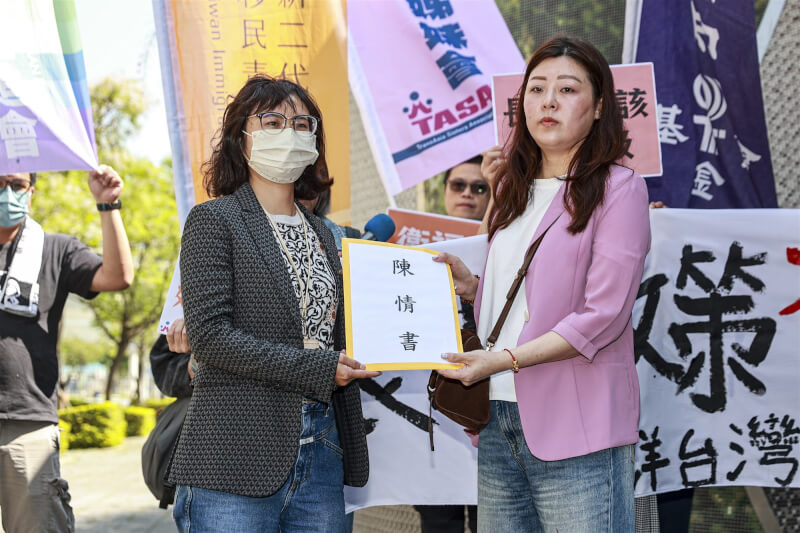
“Immigrant spouses remain largely beyond the system’s reach,” observed Hong Man-chi, who supports Southeast Asian women through the TransAsia Sisters Association Taiwan (TASAT).
透過南洋台灣姊妹會協助東南亞女性的洪滿枝指出:「新住民配偶大多仍處於制度難以觸及之處。」
Her “sisters” as she calls them “often flee to their compatriots only to be drawn back by a partner’s pleas, family pressure, or concern for their children,” Hong said.
洪滿枝表示,她口中的這些「姐妹們」常常逃到同鄉身邊,卻又因伴侶哀求、家庭壓力或對孩子的牽掛而被拉回去。
One reason is the fear of deportation, which was addressed with an amendment to Article 31 of the Immigration Act that took effect on Jan. 1, 2024.
其中一個原因是對遣返的恐懼,而這個問題已透過2024年1月1日生效的《入出國及移民法》第31條修法加以處理。
The right to residency
居留權
Before the 2024 legal reform, foreign spouses who got divorced due to domestic violence could only stay in Taiwan if the divorce was obtained through a court ruling and if they had minor children with household registrations in Taiwan.
在2024年修法前,因家暴而離婚的外籍配偶,只有在透過法院判決離婚,且擁有設籍台灣的未成年子女時,才能留在台灣。
Under the revised law, foreign spouses who get divorced due to domestic violence can stay in Taiwan simply by providing a police report on the abuse -- without needing to have children or to obtain a court ruling.
根據修法內容,因家暴而離婚的外籍配偶,只需提出家暴報案紀錄,即使沒有子女或尚未取得法院判決,仍可留在台灣。
Chow Wai Ying, TASAT’s executive secretary, said the organization welcomes the reform, but more needs to be done to communicate it through multilingual and scenario-based approaches to ensure victims understand their rights.
南洋台灣姊妹會執行秘書周慧盈表示,該組織樂見這項修法,但仍需透過多語言及情境式宣導,讓受害者真正了解自身權益。
According to the MOHW, about 2,000 abuse cases involving foreign spouses in intimate relationships were reported annually from 2020 to 2024.
據衛福部統計,2020年至2024年間,每年約有 2,000件涉及外籍配偶親密關係暴力的通報案件。
Shortage of translators, social workers
翻譯與社工人力短缺
Activists, including Control Yuan Commissioner Yeh Ta-hua, cite a chronic shortage of qualified translators as a major obstacle in getting foreign nationals the help they need.
包括監察委員葉大華在內的倡議人士指出,合 格翻譯人力長期不足,是外籍人士獲得協助的一 大障礙。
“In rural areas especially, it’s hard to find a translator, let alone one familiar with the law and legal jargon,” Hong said.
洪滿枝表示:「尤其在偏鄉地區,很難找到翻譯,更別說熟悉法律與法律術語的人。」
Long, winding path to freedom
漫長曲折的自由之路
For Hsiao-ling, a Chinese spouse, her fear of the “unknown” made the support system feel like an impenetrable maze.
對中國籍配偶小玲而言,對「未知」的恐懼,讓 整個支援系統宛如一道難以穿越的迷宮。
Unfamiliar with how Taiwan works, she shuttled between central and local government offices seeking help and was often turned away feeling more confused and helpless than before.
由於不熟悉台灣制度,她在中央與地方政府機 關之間四處奔走尋求協助,卻經常遭到婉拒,反而 比之前更加困惑與無助。
She eventually moved into a shelter, arranged her child’s school transfer, and won a legal battle for custody -- an outcome she had been told was impossible without citizenship.
最終,她搬進庇護所、安排孩子轉學,並在監護 權訴訟中勝出—而她原本被告知,在沒有台灣國 籍的情況下,這幾乎是不可能的。
“Leaving required a leap of faith,” she said.
她表示:「離開需要很大的信念。」
Unequal access to financial aid by region
各地財務援助資源不均
As with shelters, financial assistance for survivors -- covering legal fees, rent and counseling -- varies by locality.
如同庇護資源,提供給受害者的財務協助—包 括法律費用、租金與心理諮商—也因地方而異。
“Once those funds dry up, the lack of financial support for survivors and their children becomes a critical issue,” she said.
她表示:「一旦經費耗盡,受害者與其子女缺乏 財務支持,將成為極為嚴重的問題。」
Advocates like Hong are urging the government to expand pro bono legal services, noting that most survivors cannot afford divorce or custody litigation after fleeing abuse.
洪滿枝等倡議人士呼籲政府擴大義務法律服 務,指出多數受害者在逃離暴力後,根本無力負擔 離婚或監護權訴訟。
Funding increasing, but is it enough?
資源持續增加,但這樣就夠了嗎?
Funding for domestic violence prevention and victim protection increased 50 percent between 2020 and 2023, according to the MOHW.
根據衛福部資料,2020年至2023年間,家暴防 治與受害者保護經費增加了50%。
Yet, while Taiwan’s safety net has continued to evolve over the years, its true strength will depend on how effectively it reaches those at the margins who still live in fear.
然而,儘管台灣的安全網多年來持續進化,其真 正的力量仍取決於它能否有效觸及那些仍活在恐 懼邊緣的人。
As the stories of A-Yueh, Indah and Hsiao-ling show, legal rights only become a reality when anchored by practical support. Closing that gap is what turns escape from a leap of faith into a path survivors can begin to build a life on.
正如阿月、英達與小玲的故事所展現,法律權利 唯有建立在實際支持之上,才能真正成為現實。 彌補這道落差,才能讓「逃離」不再只是一次孤注 一擲,而是真正通往重建人生的道路。
字詞解釋
anchor(動詞)→作為基礎;使穩固。例句: The policy is anchored in principles of human rights. 這項政策建立在人權原則之上。
isolation(名詞)→孤 立;隔絕。例句: Language barriers often lead to social isolation. 語言障礙往往導致社會孤立。
amendment(名詞)→修正案;修訂。例句: The amendment strengthened protections for immigrant spouses. 該修法強化了對移民配偶 的保護。
impenetrable(形容詞)→無法穿透的;難 以理解的。例句:The legal system felt like an impenetrable maze to her. 對她而言,法律制度 宛如難以穿越的迷宮。
*看單篇不過癮?《全球中央》紙本雜誌、電子雜誌全面特價中。
*訂閱紙本雜誌《全球中央訂購單》
*實體雜誌銷售:誠品書店
*電子雜誌銷售平台:中央社電子書城、亞馬遜書城、Google Play圖書、凌網電子書、華藝電子書、Hami書城、KOBO、博客來電子書、讀墨電子書、讀冊生活電子書城、BOOK☆WALKER、聯合讀書吧、Kono電子雜誌、momo購物網等