




- Yunlin County Water Dance Leisure Agriculture Area officially unveiled, spotlighting a new water-centered agritourism attraction
- Yunlin firefly season offers rich ecological experience
- Yunlin Good Products Triumph at Foodex Japan 2026, Securing Over NT$100 Million in Orders
- Yunlin’s 2025 Taiwan Coffee Festival won Silver at MUSE Design Awards
- Yunlin Good Products team secures overseas orders at Singapore Food Show
Magistrate Chang Li-shan leads Yunlin Delegation to explore agriculture and community revitalization in Gunma Prefecture, Japan
(中央社訊息服務20260509 10:19:17)Following the Foodex Japan 2026, Yunlin County Magistrate Chang Li-shan (張麗善) led a delegation to Gunma Prefecture on March 11 to exchange insights on agricultural management, local production-consumption, and local revitalization. Chang Li-shan stated that through mutual learning via Taiwan-Japan exchanges, she hopes to create more opportunities for Yunlin’s agriculture and inspire the younger generations to return to their roots to engage in the industry.
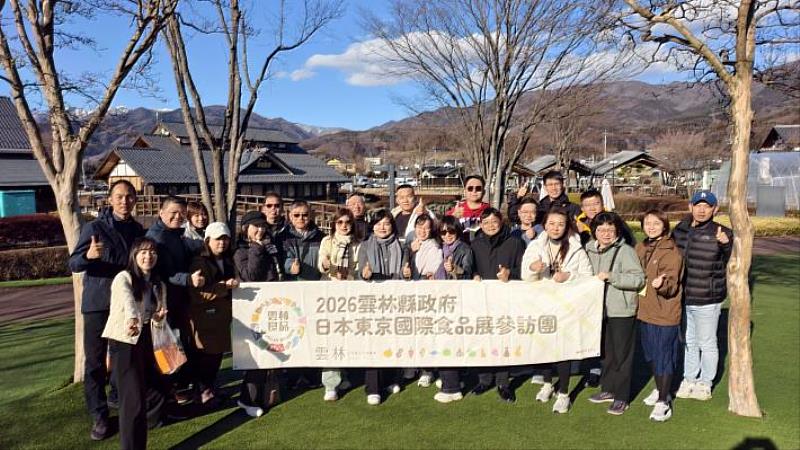
The delegation’s morning began at the Suntory Brewery, where the company introduced its beer-making process and business philosophy. Gunma Prefecture boasts high-quality groundwater resources and locally grown barley, contributing to the company’s internationally renowned beer products. Prioritizing forest conservation and environment protection, the company aims for sustainable development and working towards its vision of zero carbon emissions by 2050.
In the afternoon, the delegation shifted to Numata City for a meeting with the Tone-Numata Agricultural Cooperative Association (JA Tone-Numata). The delegation learned about their experience in promoting local production and consumption and direct sales of agricultural products. Through a production tracing system utilizing QR code, consumers can access information of product origins and producer, while farmers are allowed to set their own prices. The system not only protects farmers' income but also enhances consumer trust.
The delegation then visited Kawaba Denen Plaza, the most popular tourist destination in the Kanto region. By combining a farmers' market with diverse dining facilities, the park attracts approximately 2.7 million visitors annually. In the evening, they visited Katashina Village to learn about the community's experience in integrating ecological, agricultural, and tourism resources to promote local revitalization.
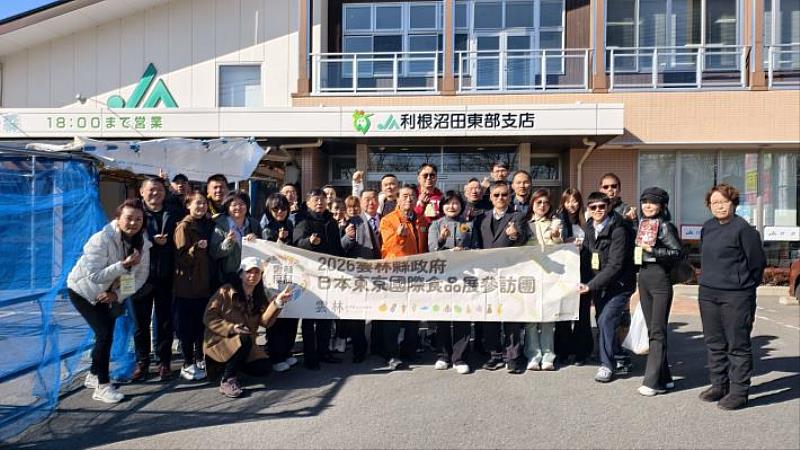
Chang noted that the key to the success of Japanese agricultural product direct sales outlets lies in adjusting crop varieties to meet market demand, providing fresh, diverse, and distinctive products to retain customers.
She pointed out that as Taiwan’s primary hub for grains, vegetables, and livestock, Yunlin has been actively promoting agricultural transformation and assisted farmers’ associations in Huwei, Xiluo, and Linnei to establish direct sales platforms, allowing farmers to sell directly to customers, thereby shortening distribution channels and increasing their income. At the same time, it develops smart agriculture and smart fisheries to help farmers mitigate the effects of extreme weather.
Chang emphasized that this trip provided an in-depth understanding of Japan's model of establishing a complete production and sales channel through six levels of industrialization, which offers invaluable lessons for the development of Yunlin’s agriculture. Looking forward, the county government will continue deepening exchanges and cooperation with various Japanese regions to foster industrial innovation and make agriculture a viable and attractive career for the youth.
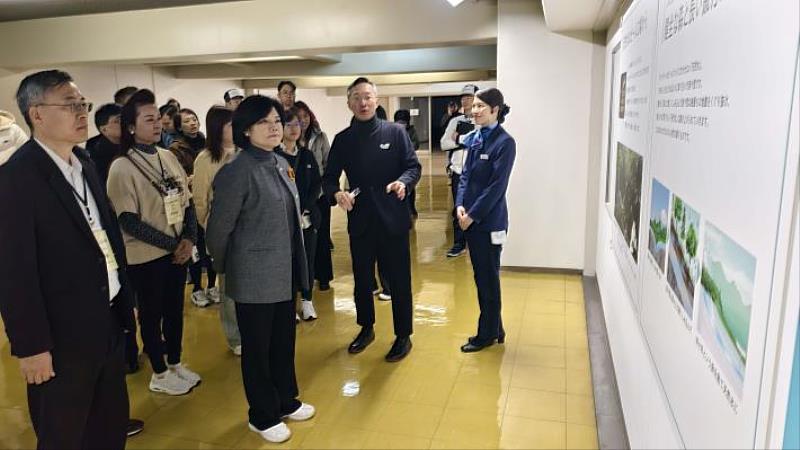
Yunlin County Government Agriculture Department Director Wei Sheng-de (魏勝德) said that the with a focus on local production and consumption, the "Ingredient Forest" outlet of the Tone-Numata Farmers' Cooperative Association attracts nearly 3 million visitors annually despite Numata City only has a population of about 8,000, making it a highly successful example of a direct sales outlet. The outlet’s operational characteristic is producing small quantities across diverse varieties: the farmers' cooperative coordinates members to grow different crops to avoid duplication and better meet market demands. Going forward, the county government will keep guiding farmers' associations to expand direct sales platforms so that high-quality produce to be sold directly to consumers, thereby cutting out intermediaries, boosting farmers' income, and giving consumers access to fresher products.